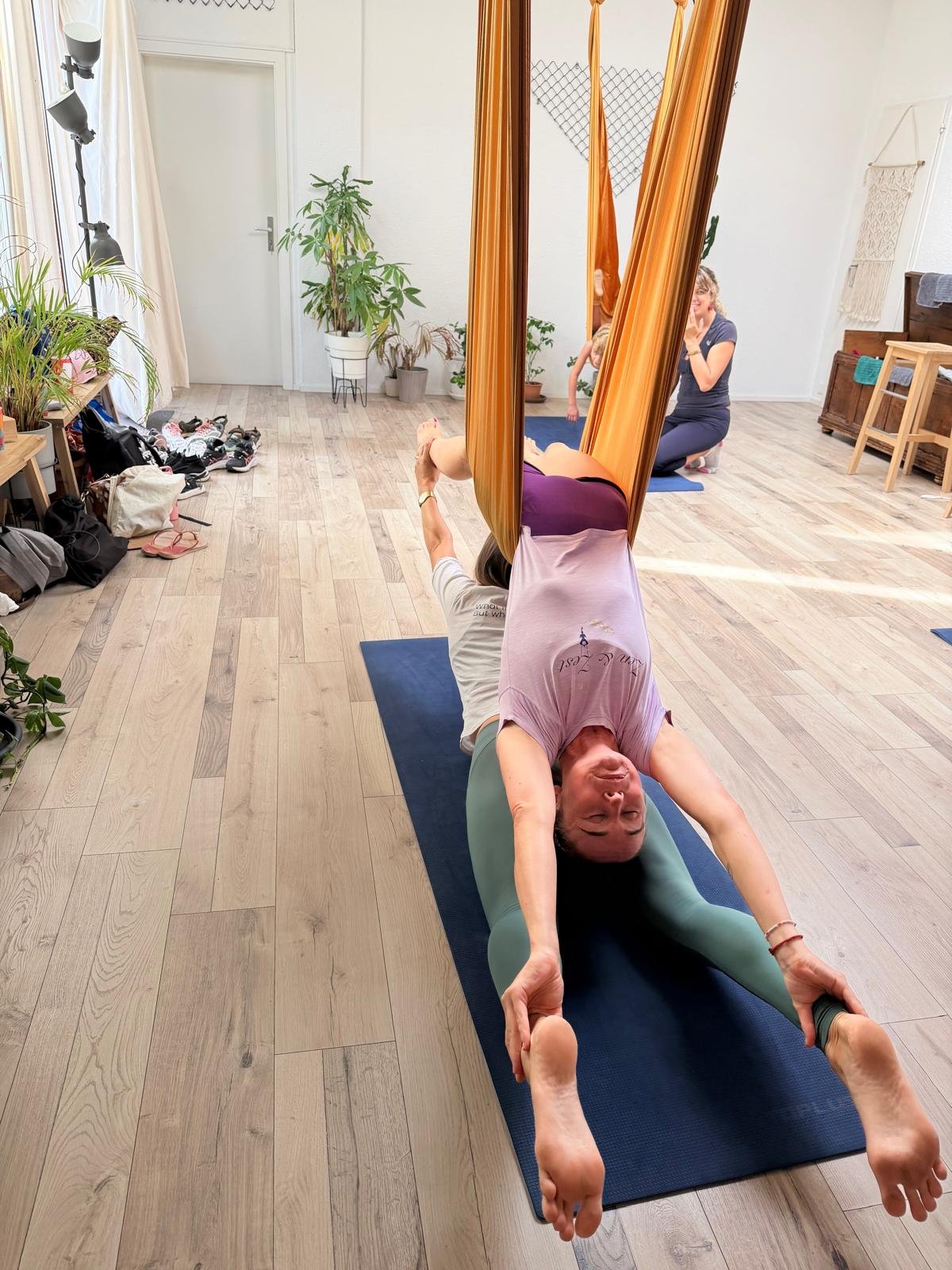
Your Brain Loves a Challenge: Why Aerial Movement Supports Neuroplasticity
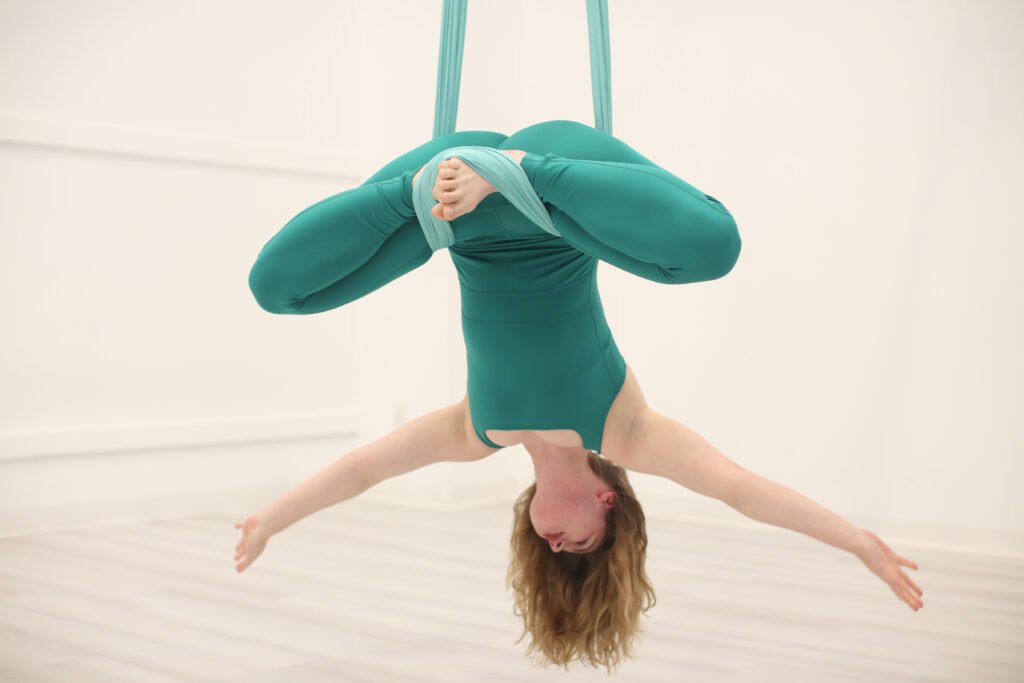
What if your aerial yoga class was also a workout for your brain?
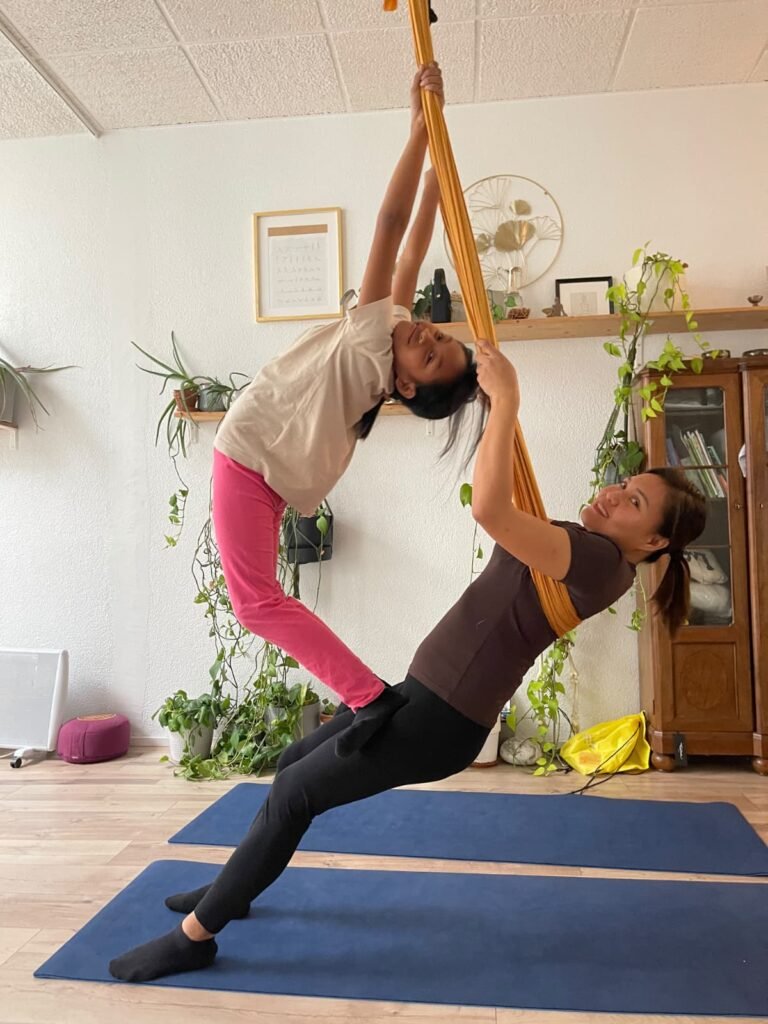
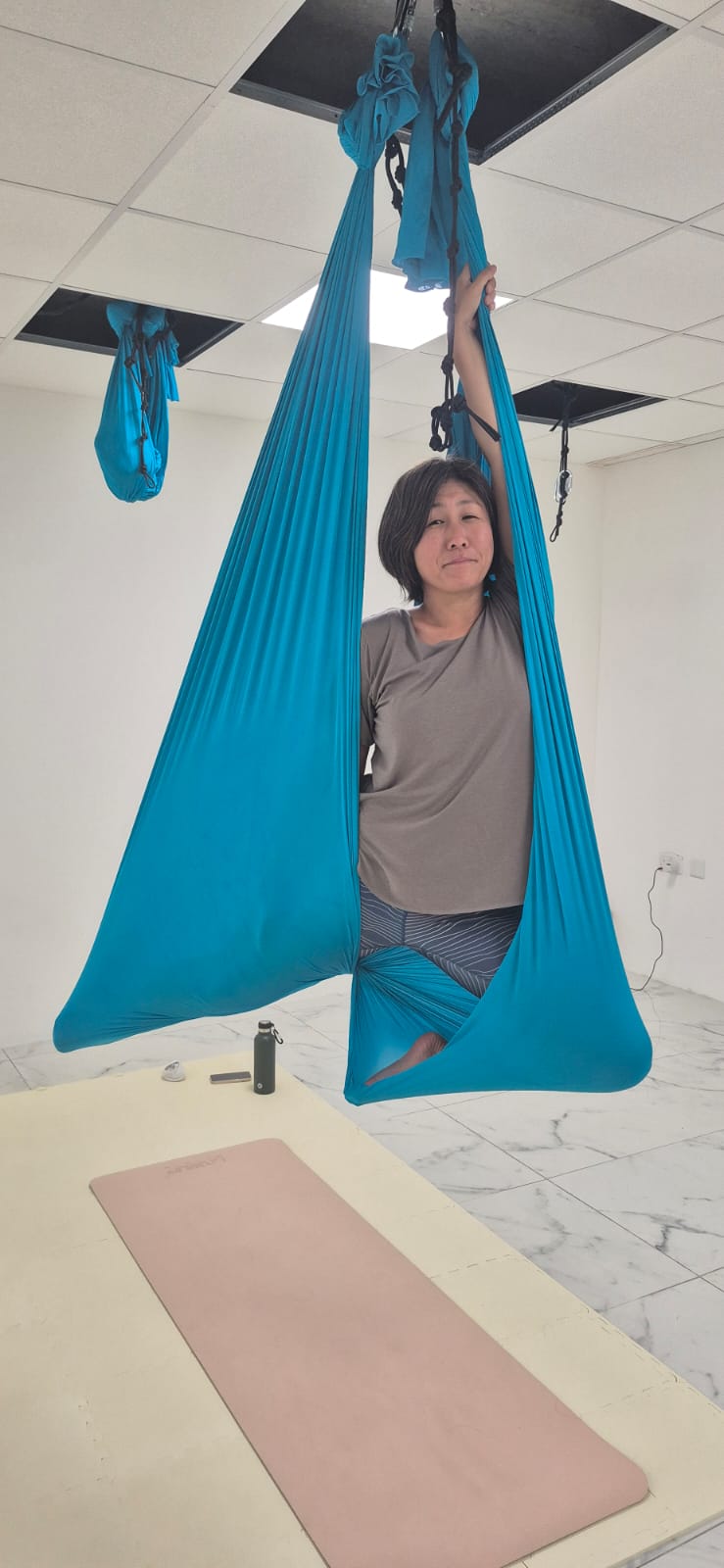
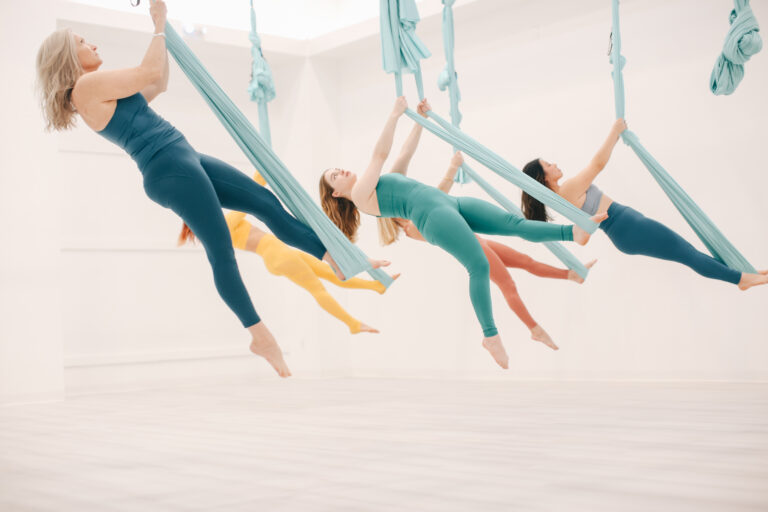
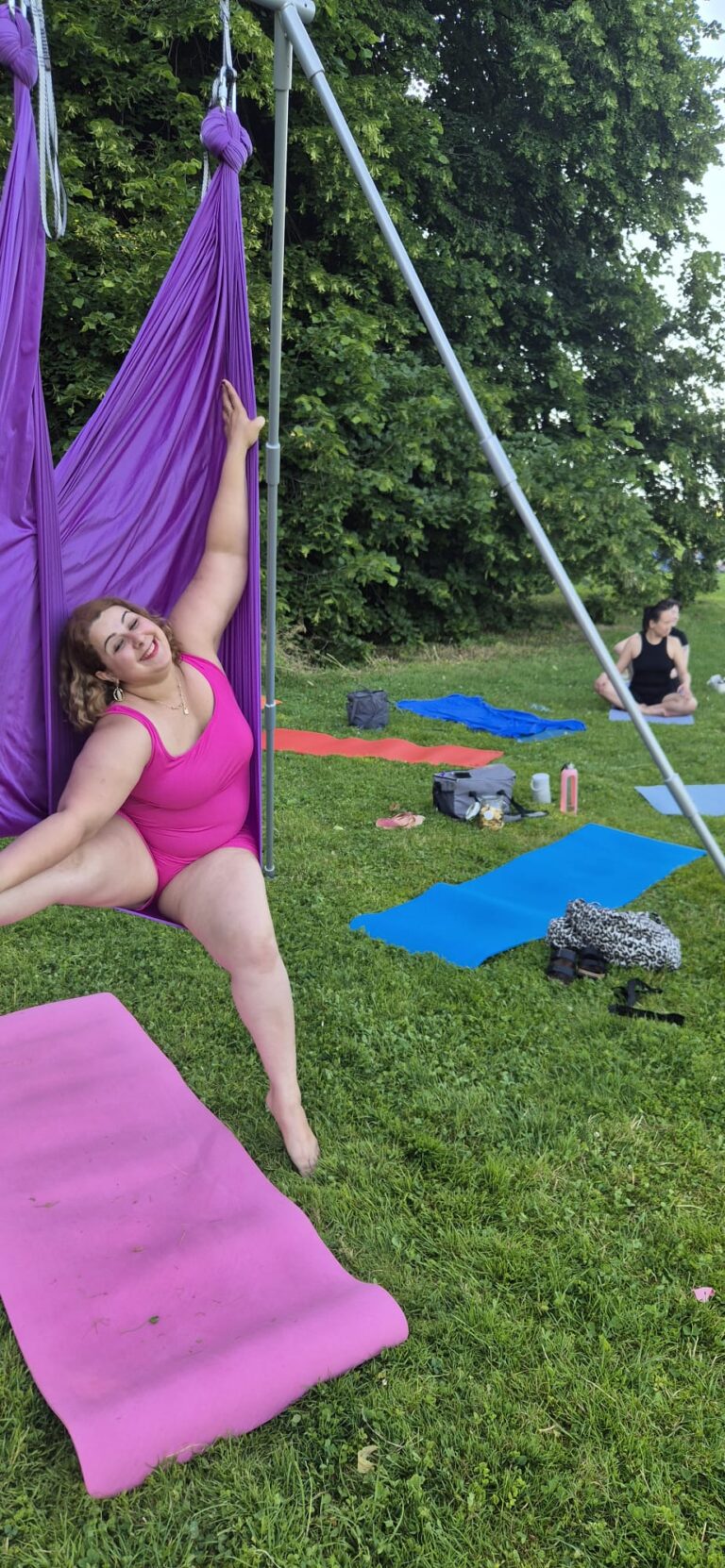
When you move through an aerial hammock, your body is constantly learning. You may be balancing, changing direction, coordinating your arms and legs, remembering a sequence, or trying a movement you have never done before.
All of this gives your brain new information to process.
Aerial movement and neuroplasticity

Neuroplasticity is the brain’s ability to adapt and change in response to learning and experience. When we learn new physical skills, the brain creates and strengthens pathways involved in movement, coordination, attention and memory.
Aerial movement is particularly interesting because the hammock changes your relationship with gravity and space. Your brain has to continually adjust:
- Where is my body in space?
- How do I shift my weight?
- What movement comes next?
- How do I coordinate my body to stay balanced?
This combination of movement, balance, concentration and novelty creates a rich environment for both body and brain.
More than just exercise
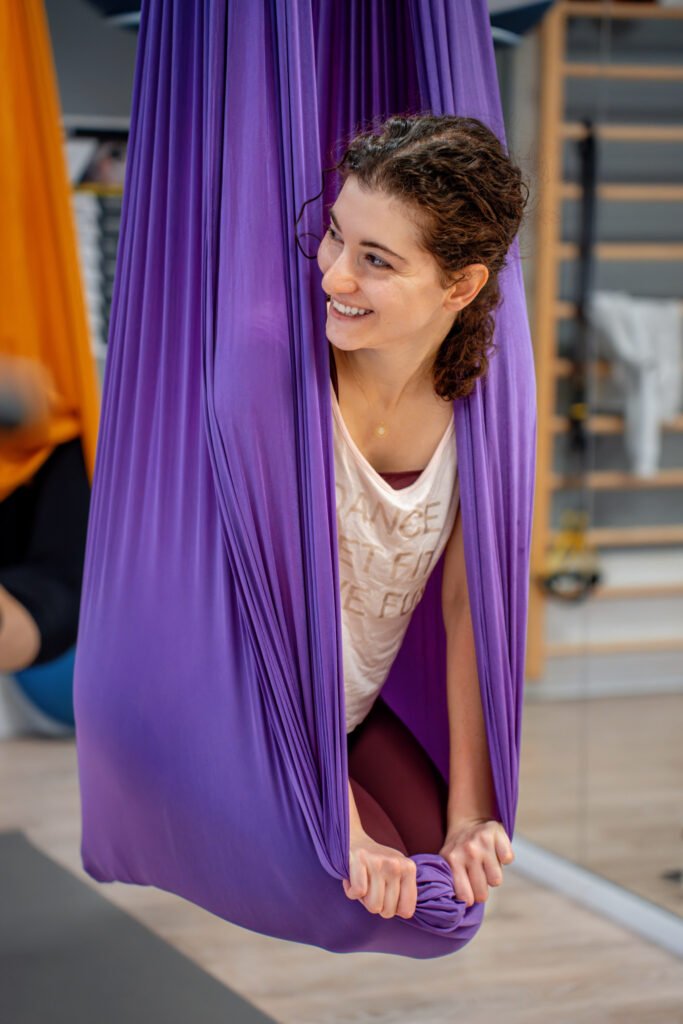
Learning new aerial movements can also encourage focus and mental engagement. Instead of repeating the same familiar movement, you are exploring, adapting and solving small physical challenges.
The aerial practice at Zen & Zest is not simply about getting stronger or more flexible. It is about creating a mindful connection between body, brain and movement.
So next time you step into an aerial hammock, remember:
you are not only moving your body — you are giving your brain something new to learn.